Blockchain consensus protocols in the wild
So, in my opinion, his writing is anything but bland…. In the early days of Bitcoin, the performance of its probabilistic proof-of-work PoW based consensus fabric, also known as blockchain, was not a major issue. But, I cede the rigorous, academic credentials to Marko.
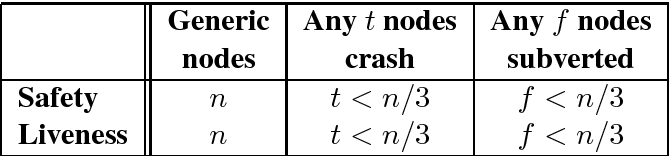
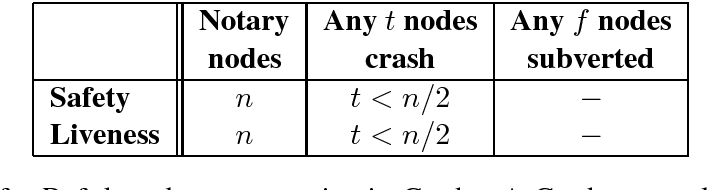
In this paper, we contrast PoW-based blockchains to those based on BFT state machine replication, focusing on their scalability limits. The situation today is radically different and the poor performance scalability of early PoW blockchains no longer makes sense. While clearly technical, it is a good read, even for lay enthusiasts.
So, in my opinion, his writing is anything but bland…. The situation today is radically different and the poor performance scalability of early PoW blockchains no longer makes sense. In this paper, we contrast PoW-based blockchains to those based on BFT state machine replication, focusing on their scalability limits.
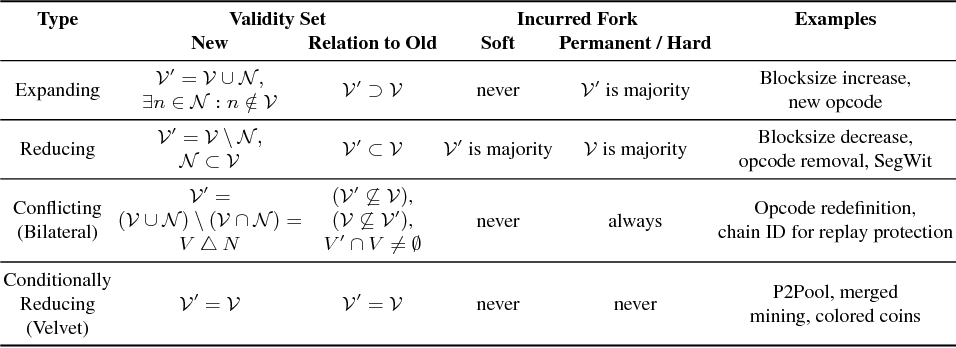
Rather than growing an ever bigger blockchain—with ever bigger computers—we need a more 3D approach that uses relational databases in a multi-threaded, transactional environment, while still preserving the distributed, p2p trust mechanisms of the original blockchain. Bitcoin, blockchain, Byzantine fault tolerance, consensus, proof-of-work, scalability, state machine replication. This approach, however, makes cryptocurrency platforms step away from their original purpose and enter the domain of database-replication protocols, notably, the classical state-machine replication, and in particular its Byzantine fault-tolerant BFT variants. Bitcoin became a success story, despite its consensus latencies on the order of an hour and the theoretical blockchain consensus protocols in the wild throughput of only up to 7 transactions per second.
In the early days of Bitcoin, the performance of its probabilistic proof-of-work PoW based consensus fabric, also known as blockchain, was not a major issue. Regarding the first elephant, scalability, Bitcoin urgently needs to grow its Blockchain dynamics into something that is living and manageable. But, I cede the rigorous, academic credentials to Marko.
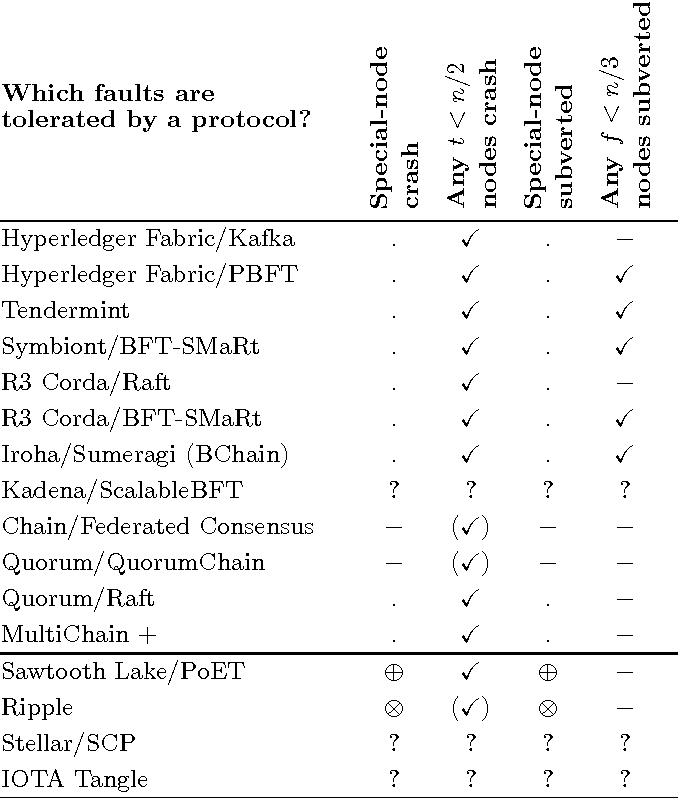
This approach, however, makes cryptocurrency platforms step away from their original purpose and enter the domain of database-replication protocols, notably, the classical state-machine replication, and in particular its Byzantine fault-tolerant BFT variants. That is, it does not blockchain consensus protocols in the wild every miner to access the history-of-the-world and append each transaction onto the same chain in serial fashion. While clearly technical, it is a good read, even for lay enthusiasts.